Klein Curaçao: A Day on Curaçao's Uninhabited Island
Klein Curaçao, "Little Curaçao", is a small, flat and uninhabited island off the south-east tip of Curaçao. Nobody lives there, yet it is one of the most popular outings from the main island, thanks to its white beach, clear water, sea turtles, an old lighthouse and a rusting tanker on the windward shore. Below we cover how to get there, what to see, how to handle the crossing and what to pack. Back on the main island in the evening? Our collection guide explains how to pick up an easy meal on the way back from the boat.
Where Is Klein Curaçao?
The island lies about 10 km south-east of Curaçao and covers roughly 1.7 square kilometres. It has a desert climate, where evaporation is greater than rainfall, so apart from some coconut palms there is little vegetation. The only structures are the old lighthouse, a beach house, a few fishermen's huts and some palm-frond-covered shelters for day visitors on the south-west coast.
What to See on the Island
Klein Curaçao Beach
The main beach runs along the sheltered leeward side and is about half a mile long. The sand is white and soft, the sea is calm compared with the other side, and the shallow water near the shore is ideal for a swim.
The Lighthouse
A first lighthouse, named the Prins Hendrik tower, was built in 1847, but the great hurricane of September 1877 destroyed it; its foundations can still be seen. A new tower was then built further inland, and in 1913 the current lighthouse went up, with a tower about 20 metres high. It is partly restored and can be climbed, so you get a view over the whole island.
The Tanker Wreck
The windward side is known as a graveyard for ships that came too close or lost power, because of the strong north-easterly wind and currents. The most famous wreck is the small oil tanker Maria Bianca Guidesman, which lies on the eastern shore and is slowly being broken up by the waves.
A Short History of Klein Curaçao
The island has a darker past than its beach suggests. In the 17th and 18th centuries, the Dutch West India Company used it to quarantine sick enslaved people brought from Africa before they were taken to Curaçao. The remains of the quarantine building still stand in the north-west, and there are graves in the north-west and the south of the island.
In 1871 the English engineer John Godden found thick deposits of phosphate, formed from bird droppings, and from 1871 to 1886 phosphate was mined and exported to Europe. Mining left the island around 3 metres lower than before and drove away many seabirds. Goats later added to the damage, until they were removed in 1996, and feral cats were gone by 2004. You can read more in this Wikipedia overview.
How to Get There: The Klein Curaçao Day Trip
There is no ferry or airstrip, so you join an organised boat. Trips leave from the Spanish Water area on the south-east coast, with departure points such as Caracas Bay, Jan Thiel and Santa Barbara beach. Boats usually set off early in the morning, roughly between 6:30 and 8:00 am, and return in the afternoon. Depending on the boat, a full day lasts around 6 to 10 hours, and many trips include drinks and a lunch on the beach, so check what is included when you book.
The Crossing and Seasickness
The crossing takes roughly 1.5 to 2 hours each way, and the sea can be rough and wavy, especially on the way out, as boats sail against the wind and waves. The return is much calmer. A few tips help:
- Take motion sickness tablets from a pharmacy at least an hour before departure; they are not sold on board.
- Have a light, non-greasy breakfast and skip alcohol, coffee and fizzy drinks.
- Sit in the middle of the boat, towards the back, and keep your eyes on the horizon.
- Tell the crew if you feel unwell; the queasy feeling usually fades soon after you reach the beach.
Klein Curaçao Snorkeling and Diving
Snorkeling with Turtles
Snorkellers stay on the leeward side, from the beach out to the reef, about 150 metres. The seabed is mostly seagrass and sand at 1 to 5 metres, with a few rocks and coral heads. Green sea turtles often feed or rest on the seagrass, while the reef holds more fish, such as hogfish, butterflyfish and French angelfish. Do not touch the turtles. There is no lifeguard, so check the conditions before you go in.
Klein Curaçao Diving
For divers, the island is well known for its coral and underwater caves. The reef slope starts about 120 to 150 metres out, at around 8 to 10 metres, and dives are made from the boat. Turtle sightings are almost guaranteed, along with ocean triggerfish and large groupers.
Protected Nature: Rules to Follow
Klein Curaçao was named a Ramsar wetland of international importance in 2018, and BirdLife International lists it as an Important Bird Area, mainly as a nesting site for least terns. Hawksbill, loggerhead and green sea turtles nest on its beaches, laying eggs at night between May and October. CARMABI is replanting native, drought-tolerant vegetation. Uncontrolled tourism is a threat to nesting turtles and terns, so:
- Stay away from nests and marked areas.
- Take all rubbish back with you.
- Never feed or chase wildlife.
What to Bring
- Reef-safe sunscreen, a hat and sunglasses: shade is limited.
- A mask, snorkel and water shoes, if your boat does not supply them.
- Your motion sickness tablets, if you need them.
Dinner Back on the Main Island
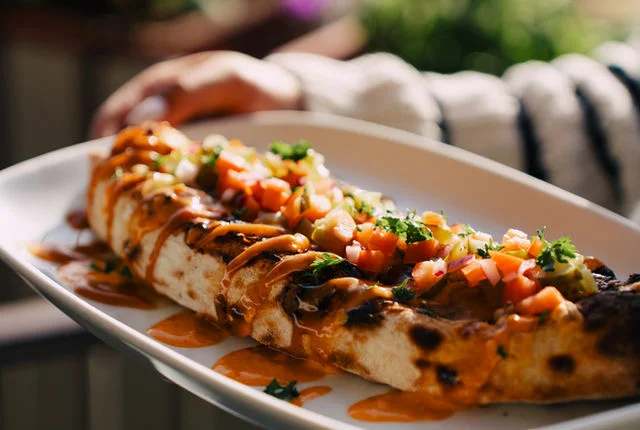
Boats come back to the Spanish Water area in the afternoon. Saliña lies between Spanish Water and Willemstad along the Caracasbaaiweg, so Pizzaliña is right on your way back to the city. Fancy something more festive? Fratè, our Italian sister restaurant along the same road, opens for dinner from Tuesday to Sunday.
We are at Saliña Galleries, Unit C101, Schottegatweg Zuid, open every day from 5:00 pm to 11:00 pm. Choose a pizza on classic white or signature black dough, like the Pepperoni Pika Miel or the Queen Tartufo, and add buffalo wings or a Caesar salad. Send a WhatsApp to +599 9 683 0707 once you are back on land, and your food can be ready by the time you reach Saliña.
Frequently Asked Questions
How far is Klein Curaçao from Curaçao?
About 10 km south-east of the main island. By boat, the crossing takes roughly 1.5 to 2 hours.
Will I see turtles?
Very likely. Green sea turtles often feed on the seagrass off the beach, and divers see them almost every time.
Is the boat ride rough?
It can be, especially on the way out. The return is calmer. Take motion sickness tablets beforehand if you are prone to seasickness.
Is there somewhere to eat on the way back from the boat?
Pizzaliña in Saliña lies on the road between Spanish Water and Willemstad and opens every day at 5:00 pm. For larger groups, reserve a table online.